
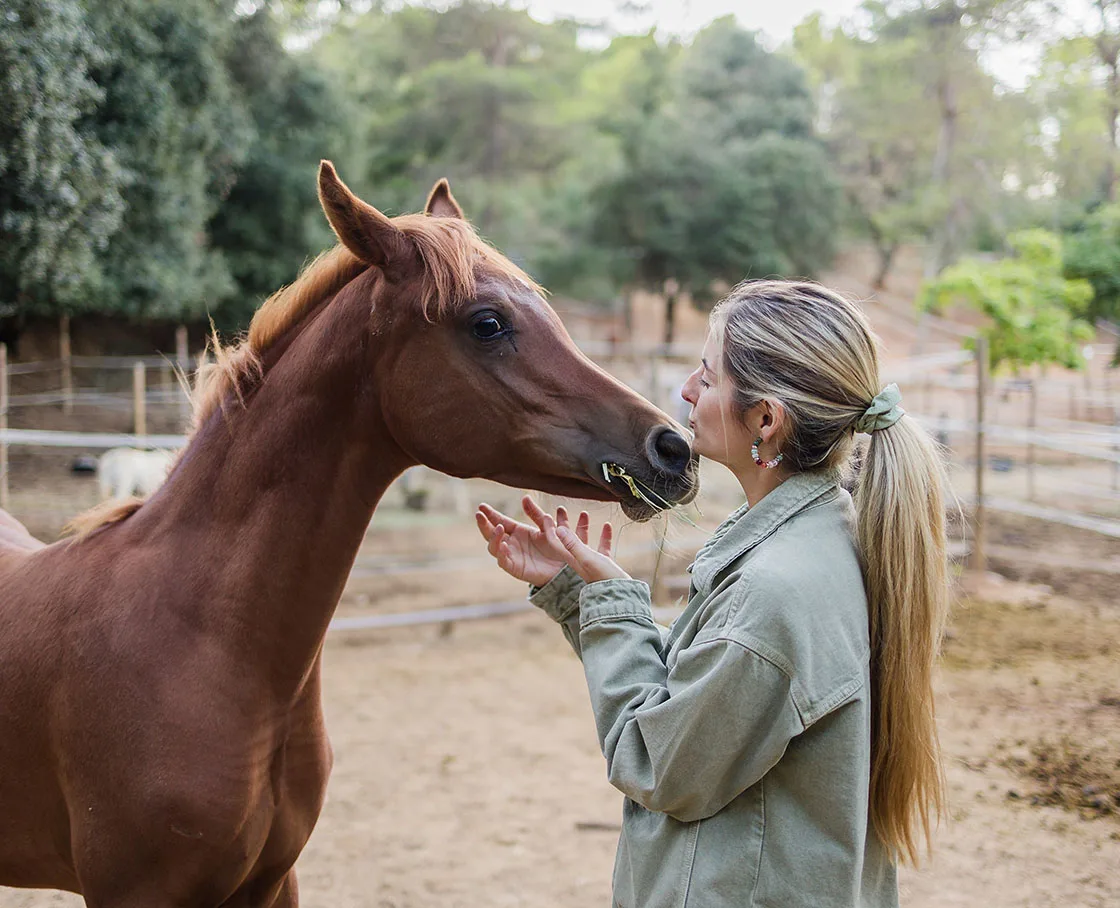
Equine Surgical Services in San Angelo
Our board-certified equine surgeon, Dr. Aloisio Bueno, and the team at Western Veterinary Hospital bring experience and expertise to caring for equine patients when they need it most.
Equine surgery can be used to treat injuries, disease, congenital abnormalities, reproductive complications, and other conditions affecting a horse’s health, comfort, or performance. Procedures range from routine standing surgery and wound repair to complex operations requiring general anesthesia, specialized equipment, and hospitalization.
Equine surgical care can address:
Wounds and traumatic injuries
Abdominal and gastrointestinal conditions
Joint, tendon, and bone disorders
Reproductive and urogenital conditions
Respiratory and upper-airway disorders
Dental and sinus disease
Masses and abnormal tissue
Eye injuries and diseases
Congenital abnormalities
At Western Veterinary Hospital, each patient is carefully evaluated to determine whether surgery is appropriate and which surgical approach best fits the horse’s condition.
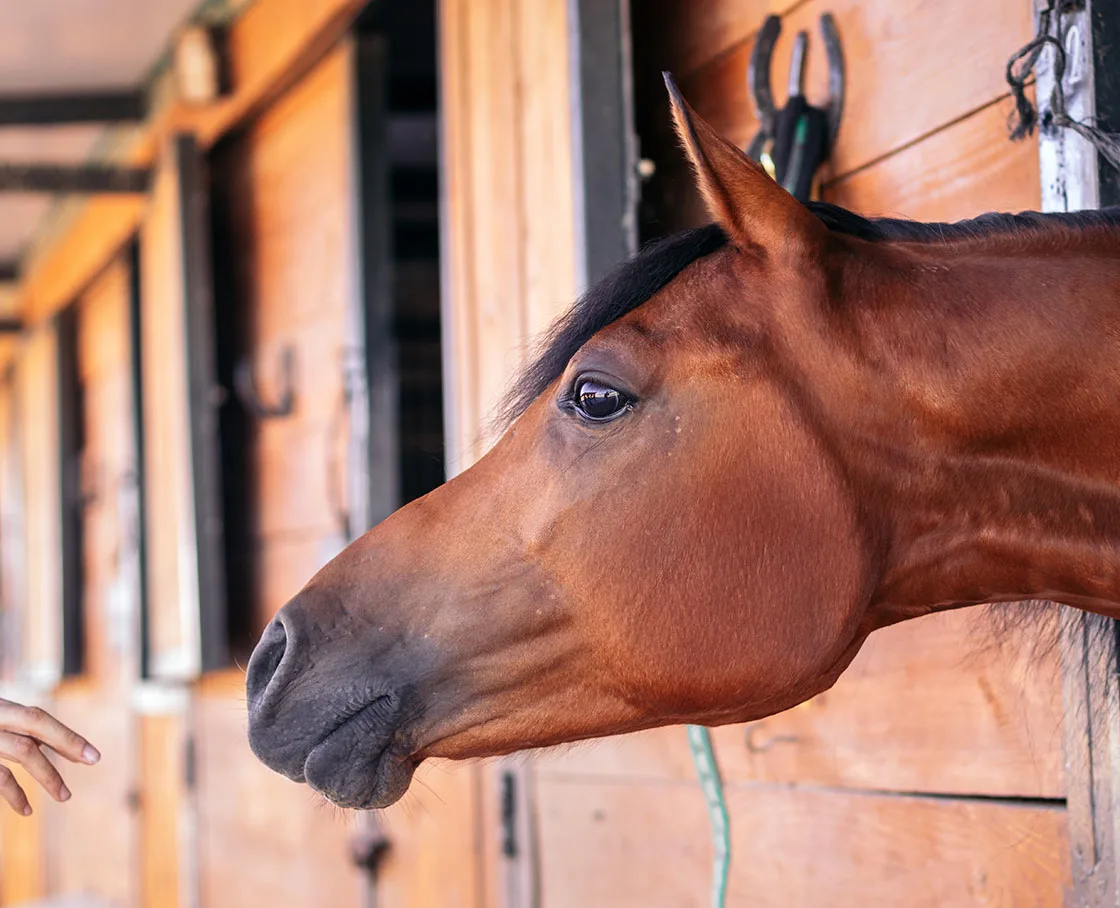
Surgical Care for Horses at Western Veterinary Hospital
At Western Veterinary Hospital, we are equipped to offer a wide range of equine surgeries. Our team practices the most stringent surgical protocols and believes that it is in our patient’s best interest to use a standing procedure whenever possible to help limit the risk of complications from anesthesia.
We strive to keep you fully informed about why we are recommending a particular surgical procedure for your animal, what the projected recovery time will be, and follow through with any post-operative care that your horse will need as they recover.
Some procedures are performed with the horse standing and sedated, using local anesthesia to control discomfort. Other surgeries require general anesthesia and treatment in a dedicated surgical facility. The veterinary team will determine the safest and most appropriate approach for your horse.
Our state-of-the-art equine veterinary facility is equipped with all the tools, technology and space our team needs to perform a wide range of medical and emergency surgeries to help treat disease and conditions in horses or to repair injuries sustained through trauma.
Our experienced equine vets routinely perform the following emergency, elective and non-elective surgeries to restore the health of horses from San Angelo and beyond:
Soft Tissue and Colic Surgery
Soft-tissue surgery includes surgery of the abdomen, urogenital tract, respiratory tract, mouth, and skin.
Colic and respiratory procedures are some of the most common soft tissue surgeries that we perform. Our vets are able to assess your horse's condition and offer surgical treatments if this is in the best interest of your horse's long-term health.
Our equine veterinary team is available during our clinic hours to carry out corrective colic surgery and intensive post-operative care which is vital for survival.
Standing Surgery
Recovery from general anesthesia is the single largest risk for horses after surgery, and standing surgery avoids most of those risks. Our board-certified equine surgeon and San Angelo veterinary team have extensive experience with equine surgery and will do everything they can to reduce risks.
Most large animal surgeries are performed on standing and awake patients to repair traumatic injuries like lacerations. Other common procedures are castration, reproductive surgery, endoscopic surgery of the upper respiratory tract, and minor hoof and lower leg procedures.
Also, some surgical procedures are easier to perform on a standing patient. It is in the patient’s best interest to use a standing procedure whenever possible. There are certain cases, however, where standing surgery can't be performed, such as with colic surgery.
Reproductive Surgery
A full range of reproductive surgical procedures can be carried out either at your farm through our ambulatory services, or for more complex procedures, by our specialist surgeons at our hospital. These include:
Mares: Cesarean section and other reproductive surgical emergencies are available along with the removal of endometrial cysts. Urogenital surgery, including Caslick's operation and other perineal surgery, ovariectomy, removal of granulosa cell tumors, ovarian hematoma, abscess or cysts, repair of uterine torsion, correction of foaling injuries, and removal of bladder stones.
Colts/Stallions: We perform castration and correction of inguinal hernias. We also offer urogenital surgery, including cryptorchid surgery (removal of retained testicle), removal of penile or testicular tumors, amputation of penis, and removal of bladder stones.
Arthroscopy
Arthroscopy is a technique used by our Board Certified Equine Surgeon to evaluate and treat diseases within joints. Similar techniques are also used to evaluate and treat diseases within tendon sheaths and bursae.
An endoscope (a narrow, rigid instrument) is placed through a small incision in order to examine the insides of a tendon sheath, bursa or joint. This image will be transmitted to a camera for easy viewing.
Specially designed surgical instruments are passed through separate small incisions to assist in the treatment of disease within these structures.
Laparoscopy
Endoscopic surgeries of the abdomen and thorax can be hugely useful for horses suffering from a variety of health issues. It allows our vets to visualize and treat parts of your horse's abdomen and thorax (laparoscopy and thoracoscopy respectively) that would otherwise be difficult to access. This treatment method has a significant advantage: it is able to be performed while the horse is standing and with minimal incisions.
Wounds
Wounds occur when living tissue has been cut, broken, burnt, torn, or otherwise damaged. These wounds must be cleaned, disinfected, and appropriately cared for by a qualified veterinarian as soon as possible.
Amputation
Surgical removal of a severely damaged or diseased limb, digit, or other structures.
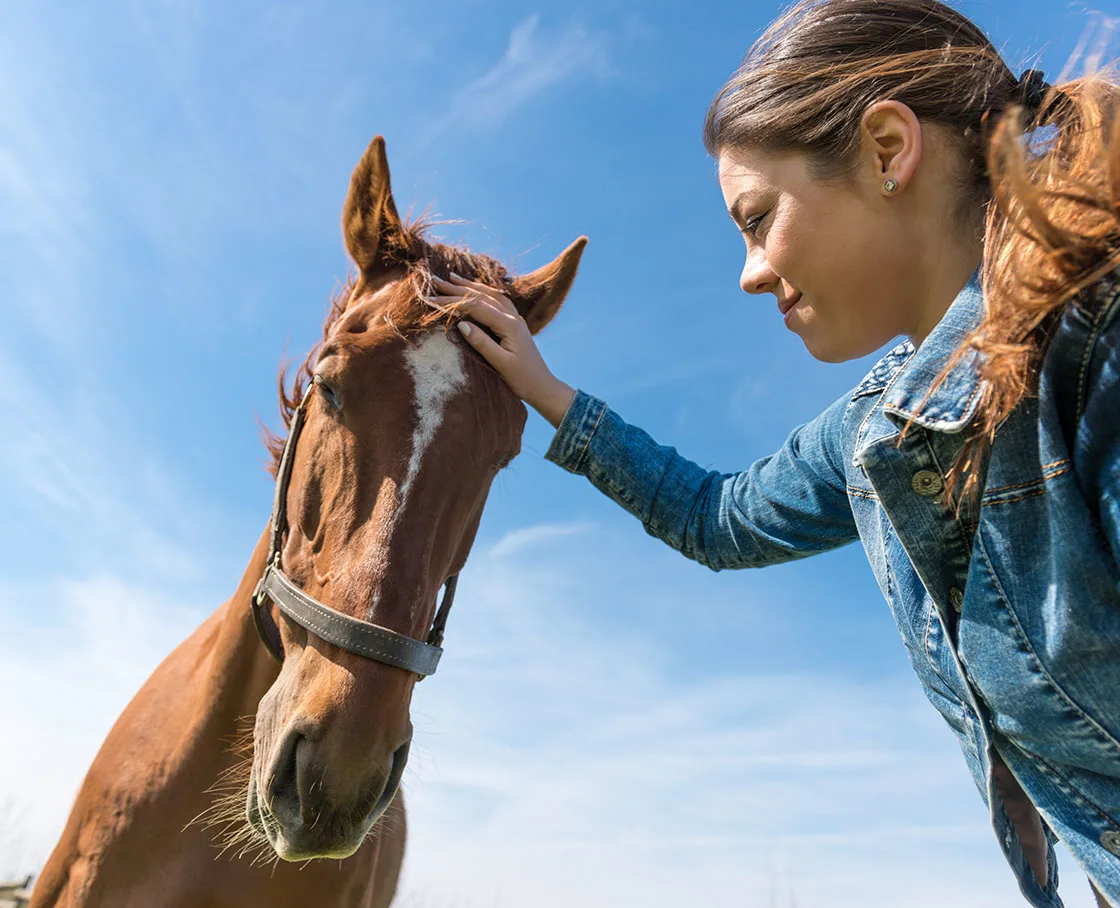
What to Expect With Equine Surgery
Before surgery, your horse will receive a physical examination and any diagnostic testing needed to evaluate the condition and plan the procedure. Testing can involve bloodwork, radiographs, ultrasound, endoscopy, or other advanced imaging.
During surgery, the veterinary team monitors your horse and provides anesthesia, pain control, and supportive care appropriate for the procedure. Horses undergoing general anesthesia are carefully monitored throughout surgery and recovery.
Following surgery, your horse will be discharged once our veterinary team decides it is safe to do so for continued treatment and observation. Discharge instructions can address:
Medication and pain management
Incision and bandage care
Stall rest or controlled activity
Feeding or dietary changes
Follow-up examination
Rehabilitation or physical therapy
A gradual return to activity
Recovery time depends on the procedure, the condition treated, and your horse’s overall health.
Equine Surgical Care FAQs
What is considered complex equine surgery?
Complex equine surgery requires advanced surgical expertise, specialized equipment, comprehensive anesthesia monitoring, hospitalization, or intensive postoperative care. Examples include abdominal, orthopedic, arthroscopic, laparoscopic, respiratory, and advanced reproductive procedures.
What is the difference between elective and emergency surgery?
Elective surgery is planned and scheduled in advance. Emergency surgery is performed when immediate intervention is needed to protect the horse’s health, physical function, or life.
Can surgery be performed while my horse is standing?
Certain procedures can be performed while the horse is standing and sedated. Local anesthesia is used to numb the surgical area. The condition, procedure, and horse’s temperament determine whether standing surgery is appropriate.
When is general anesthesia required?
General anesthesia is used when the horse must remain completely still, the surgical area cannot be safely accessed in a standing patient, or the procedure requires the horse to be positioned on a surgical table.
How long will my horse remain hospitalized?
Hospitalization depends on the procedure and the amount of postoperative monitoring required. Some horses return home the same day, while complex or emergency cases require a longer hospital stay.
How long does recovery take?
Recovery can range from several days to several months. Your veterinarian will provide an individualized recovery and return-to-activity plan based on the surgery and your horse’s progress.
What signs should I monitor after surgery?
Contact Western Veterinary Hospital if you notice increasing pain, swelling, heat, bleeding, discharge, fever, reduced appetite, colic symptoms, damaged sutures, or another unexpected change.