
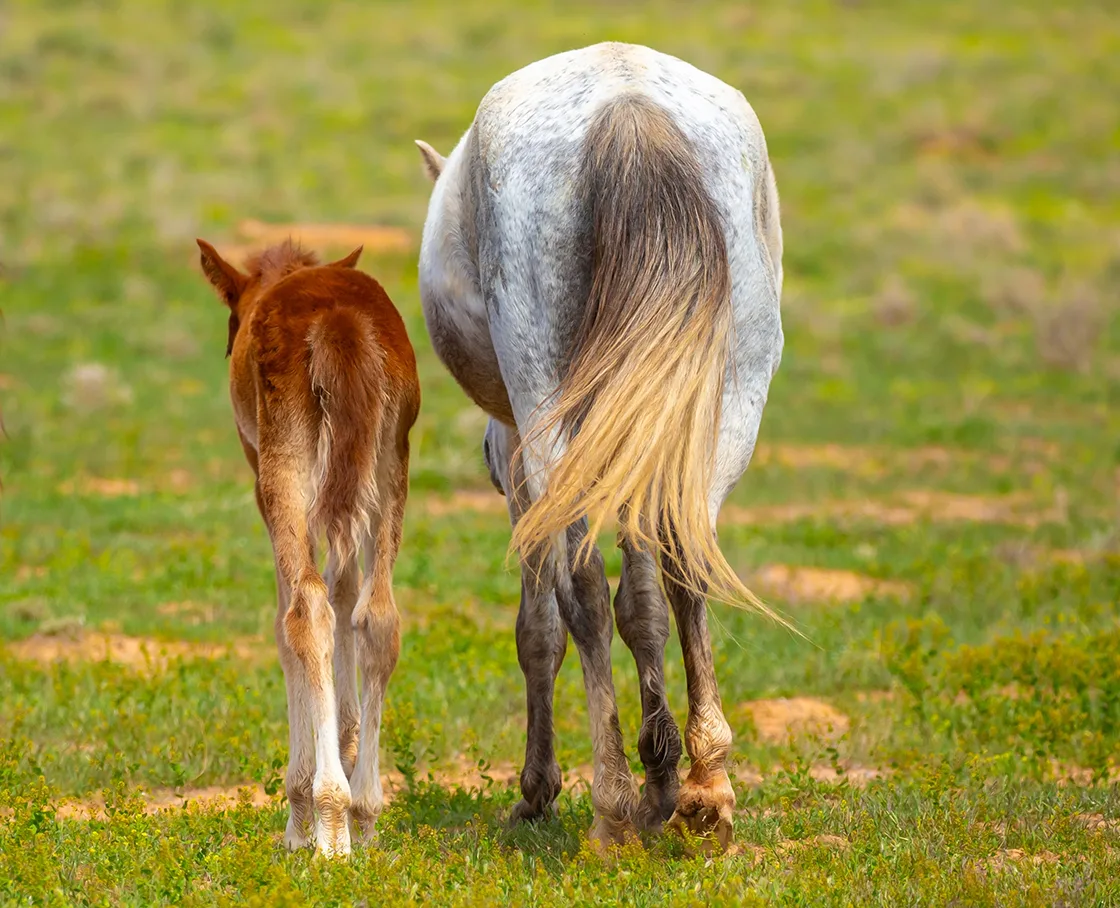
Equine Veterinary Care in San Angelo, TX
Horses have specialized health needs that differ from those of dogs, cats, and other animals. Their size, anatomy, digestive system, dental health, activity level, and living environment can all influence their care. Working with a veterinarian experienced in equine medicine helps ensure those unique needs are understood.
At Western Veterinary Hospital, we provide knowledgeable, attentive veterinary care to help horses remain healthy, comfortable, and active throughout every stage of life. Whether your horse is a beloved companion, trail partner, working horse, breeding animal, or competitive athlete, our goal is to support their long-term health and well-being.
Call us at (325) 703-6450 to learn more about our veterinary services for horses or schedule an appointment.
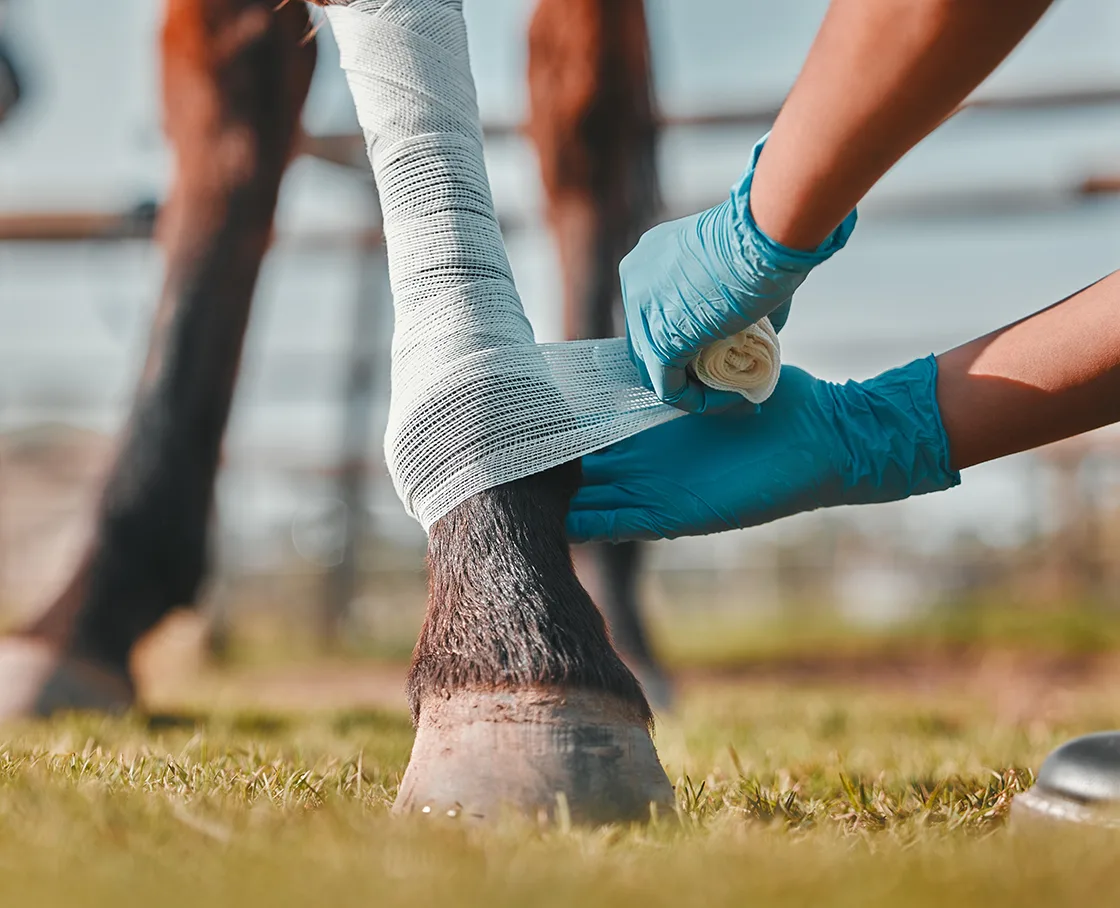
Why Horses Need Specialized Veterinary Care
Because horses are large, athletic animals with complex body systems, health concerns can affect their comfort and function quickly. Early signs of illness, pain, dental disease, or lameness may also be subtle and easily mistaken for changes in behavior or performance.
A veterinarian familiar with horses understands how age, breed, workload, nutrition, travel, environment, and management can affect equine health. This knowledge allows your veterinarian to evaluate the whole horse, recognize potential concerns, and recommend care based on the animal’s individual risks and needs.
Regular veterinary care also establishes a health history and baseline for your horse. When changes occur, your veterinarian can compare current findings with what is normal for that particular animal and help you make informed decisions about the next steps.
Protecting Your Horse’s Health—and Your Investment
Horse ownership represents a significant investment of time, care, emotion, and money. Proactive veterinary care can help protect that investment by reducing preventable health risks, identifying concerns earlier, and supporting your horse’s comfort, soundness, and quality of life.
Preventive needs are not the same for every horse. Recommendations may vary based on your horse’s age, health, use, travel schedule, environment, and exposure to other animals. An established relationship with an equine veterinarian provides consistent guidance as those needs change.
Regular veterinary care is important for every horse—not only those used for competition, breeding, or work. Pasture companions and retired horses also benefit from individualized care that supports their health and comfort as they age.
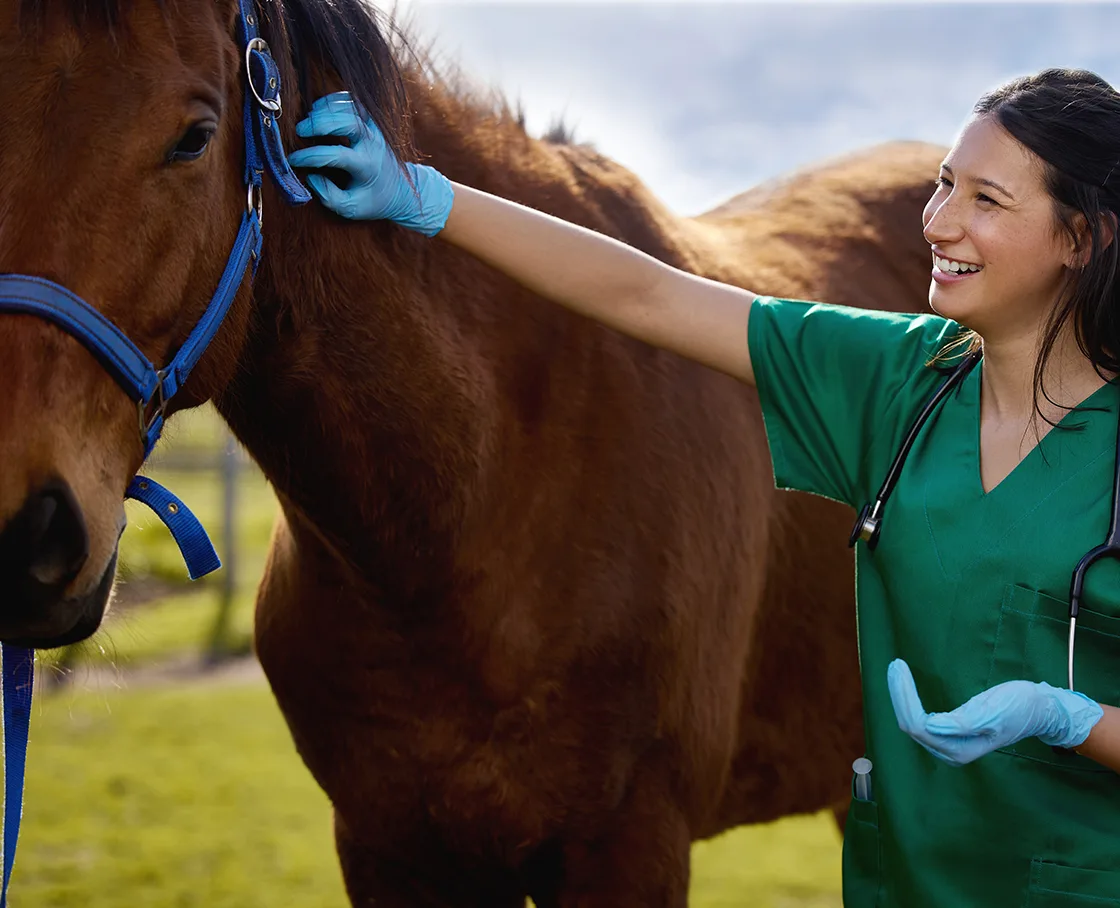
Why Choose Western Veterinary Hospital for Your Horse’s Care?
At Western Veterinary Hospital, we understand the commitment involved in caring for horses. Our veterinary team takes the time to understand your horse’s health history, lifestyle, environment, and intended use before making recommendations.
We believe effective equine care is a partnership. We will explain our findings, discuss available options, and help you make practical, informed decisions for your horse.
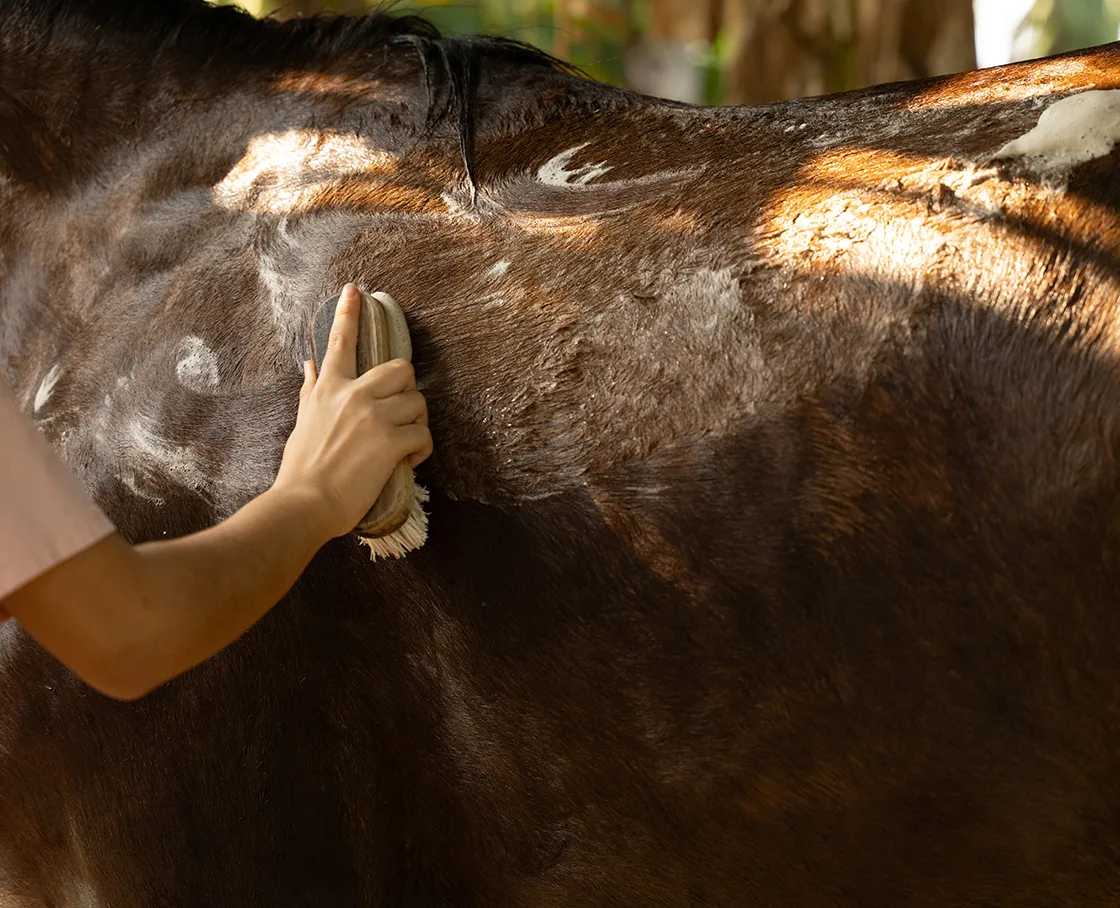
Equine Veterinary Services at Western Veterinary Hospital
Equine services at Western Veterinary Hospital are tailored to the needs of horses and owners in our community.
Equine Veterinary Care FAQs
What is considered complex equine surgery?
Complex equine surgery requires advanced surgical expertise, specialized equipment, comprehensive anesthesia monitoring, hospitalization, or intensive postoperative care. Examples include abdominal, orthopedic, arthroscopic, laparoscopic, respiratory, and advanced reproductive procedures.
What is the difference between elective and emergency surgery?
Elective surgery is planned and scheduled in advance. Emergency surgery is performed when immediate intervention is needed to protect the horse’s health, physical function, or life.
Can surgery be performed while my horse is standing?
Certain procedures can be performed while the horse is standing and sedated. Local anesthesia is used to numb the surgical area. The condition, procedure, and horse’s temperament determine whether standing surgery is appropriate.
When is general anesthesia required?
General anesthesia is used when the horse must remain completely still, the surgical area cannot be safely accessed in a standing patient, or the procedure requires the horse to be positioned on a surgical table.
How long will my horse remain hospitalized?
Hospitalization depends on the procedure and the amount of postoperative monitoring required. Some horses return home the same day, while complex or emergency cases require a longer hospital stay.
How long does recovery take?
Recovery can range from several days to several months. Your veterinarian will provide an individualized recovery and return-to-activity plan based on the surgery and your horse’s progress.
Book an Appointment at Western Veterinary Hospital
New pets are always welcome at Western Veterinary Hospital. Our friendly veterinary staff looks forward to providing our neighbors in the area and surrounding communities with the veterinary care they need.