
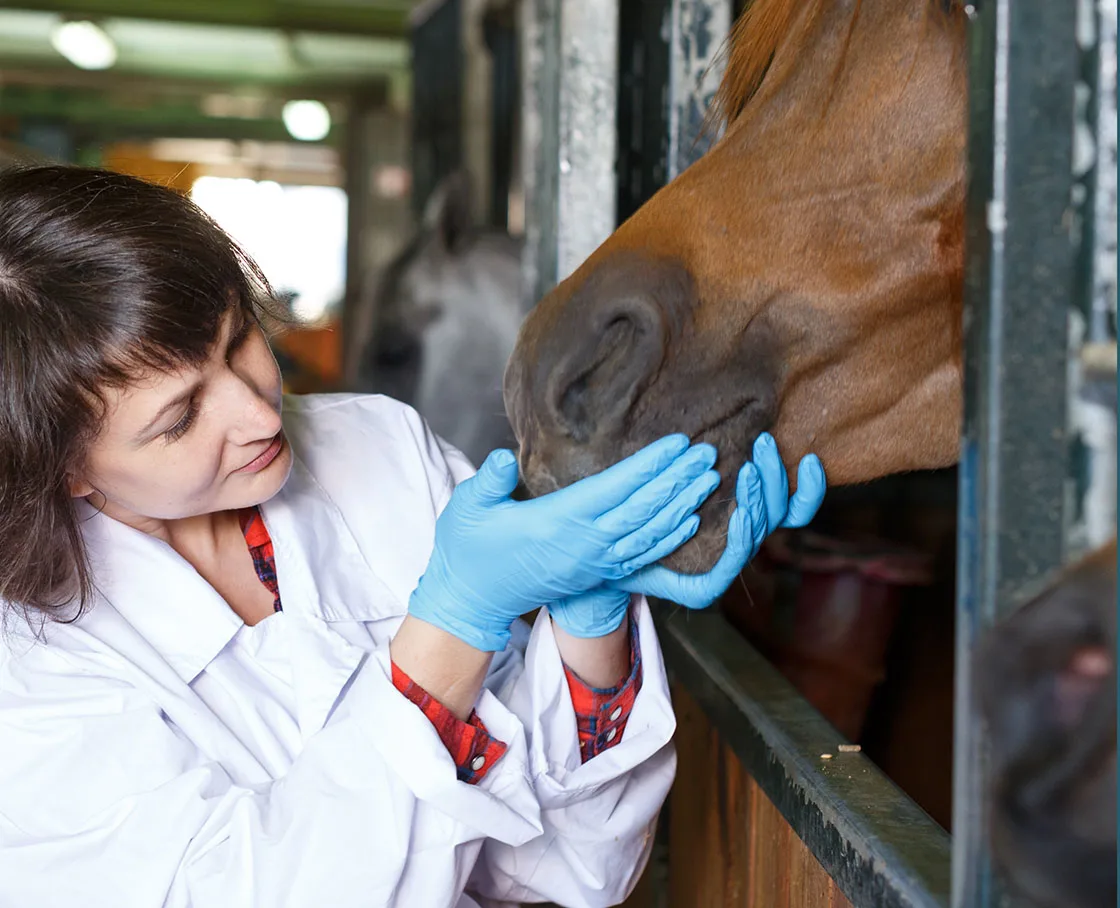
Equine Wellness Exams in San Angelo
Routine wellness exams give your veterinarian an opportunity to evaluate your horse’s overall health, establish a baseline, and identify subtle changes that might otherwise go unnoticed.
During an equine wellness exam at Western Veterinary Hospital, your veterinarian will consider your horse’s medical history, age, lifestyle, activity level, nutrition, and current health. Regular examinations also provide time to discuss changes in weight, behavior, appetite, performance, mobility, or general condition.
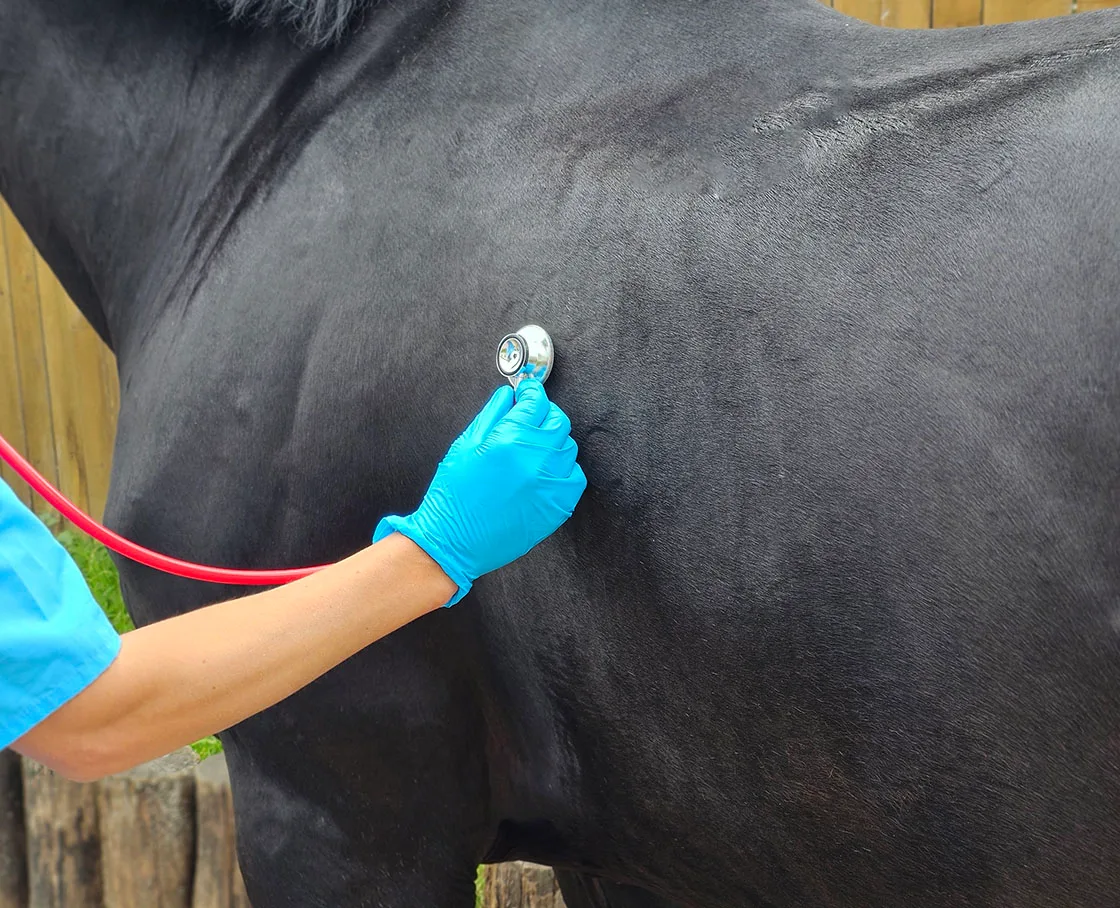
Why Are Routine Equine Exams Important?
Horses can develop health concerns without showing obvious symptoms. Because owners and caretakers see their horses regularly, gradual changes in appearance, weight, behavior, or performance can also be difficult to recognize.
Routine wellness exams help your veterinarian:
Establish and monitor your horse’s normal health baseline
Identify subtle changes in weight, behavior, or physical condition
Detect potential health concerns before they become more advanced
Monitor age-related changes
Evaluate nutrition and body condition
Discuss changes in workload, housing, travel, or exposure risks
Make individualized preventive healthcare recommendations
Early detection can provide more treatment options and help protect your horse’s long-term health, comfort, and performance.
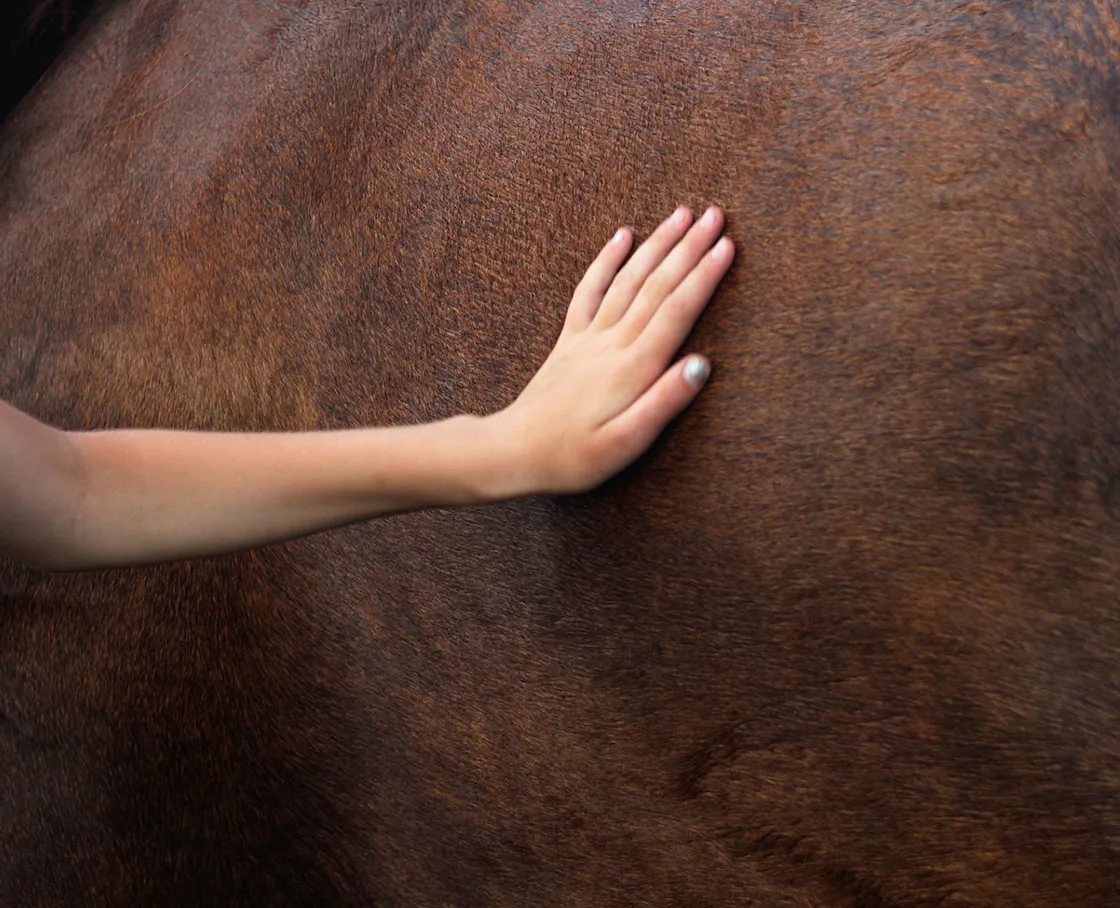
What Happens During an Equine Wellness Exam?
Your veterinarian will begin by reviewing your horse’s medical history and asking about any recent changes or concerns. Important information can include changes in appetite, water consumption, manure production, weight, behavior, mobility, exercise tolerance, or performance.
The physical examination evaluates your horse from head to hoof and commonly covers:
General Appearance & Behavior
Your veterinarian observes your horse’s alertness, posture, demeanor, and overall appearance. These observations establish useful information that can be compared with findings from future examinations.
Body Condition & Weight
A body condition score helps evaluate whether your horse is underweight, overweight, or maintaining an appropriate condition. When a livestock scale is unavailable, a weight tape can provide an estimated weight for monitoring and medication planning.
Temperature, Pulse & Respiration
Your horse’s temperature, heart rate, and respiratory rate provide important information about their immediate physical condition.
Heart & Lungs
Your veterinarian listens to the heart and lungs for abnormalities in heart rate, rhythm, breathing, or respiratory sounds.
Eyes, Nose & Mouth
The examination checks for discharge, irritation, swelling, asymmetry, or other visible concerns. A general assessment of the mouth can also help determine whether a separate, comprehensive dental examination is appropriate.
Skin & Coat
Changes in the skin or coat can be associated with nutrition, parasites, allergies, infection, hormonal conditions, or other health concerns.
Abdomen & Digestive System
Your veterinarian listens for intestinal sounds and considers your horse’s appetite, manure production, and recent digestive history.
Legs, Feet & Movement
The limbs and feet are checked for swelling, heat, tenderness, or other abnormalities. Concerns about gait or movement can indicate that a separate lameness or soundness evaluation is needed.
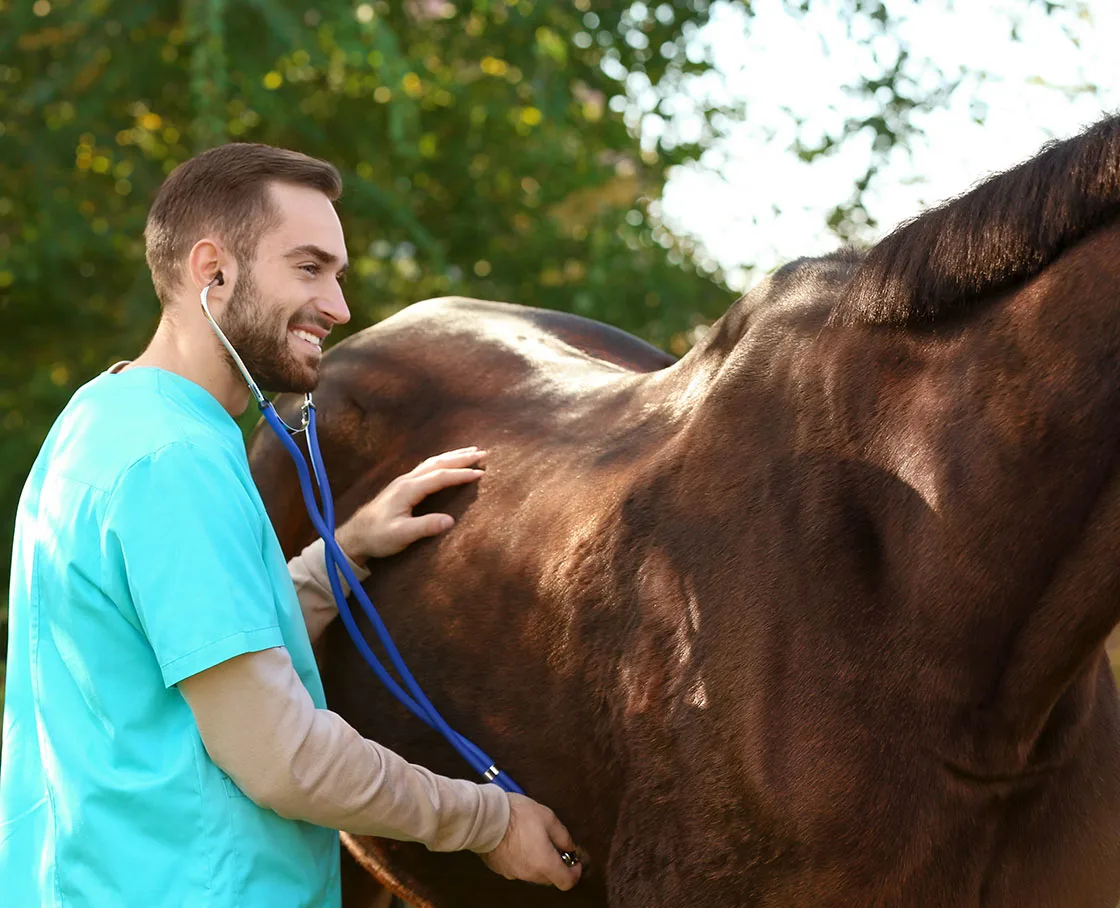
Nutrition & Body Condition
Nutrition affects nearly every aspect of a horse’s health. During a wellness appointment, your veterinarian can evaluate body condition and discuss forage, concentrates, supplements, feeding practices, workload, and life-stage needs.
Nutritional recommendations can be adjusted for growing horses, performance horses, breeding animals, easy keepers, horses with metabolic concerns, and seniors with changing dietary needs.
Wellness Care Through Every Life Stage
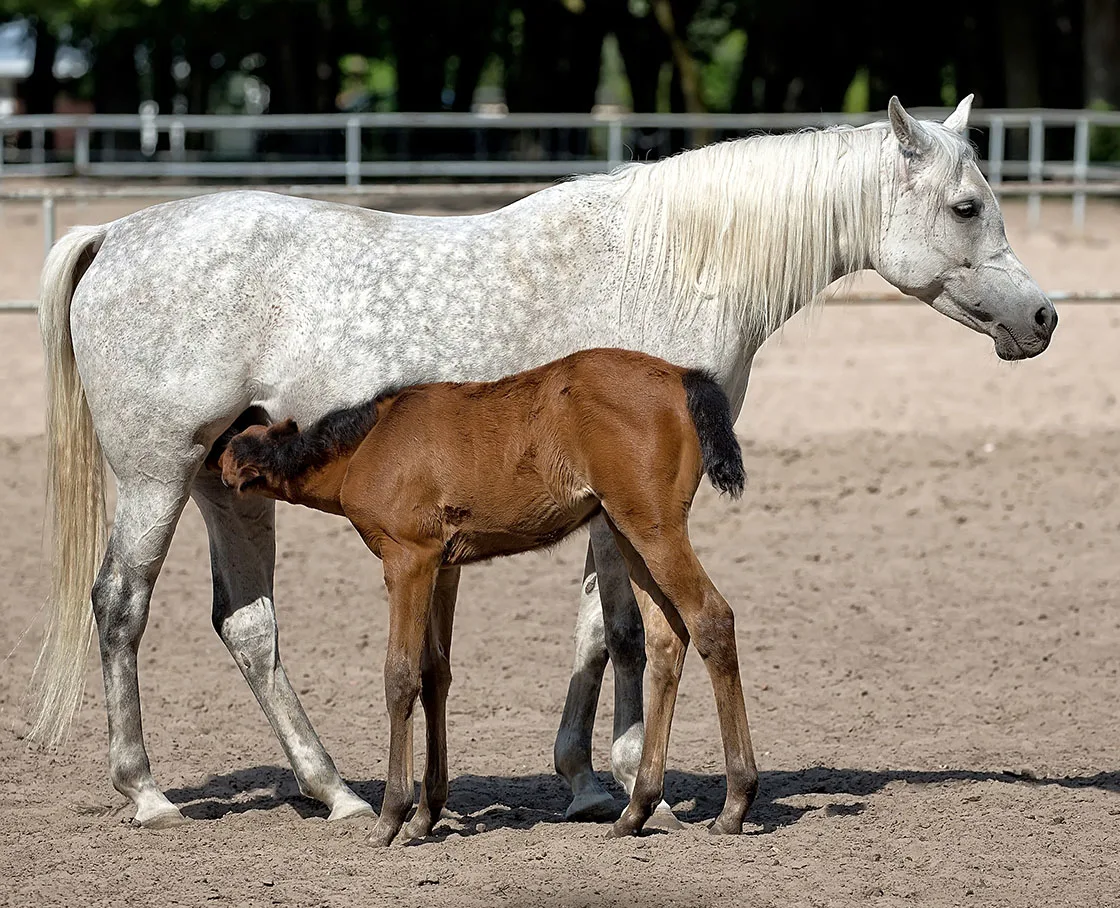
A horse’s healthcare needs change throughout life. Foals and growing horses require monitoring for healthy development, while adult horses benefit from consistent evaluation of weight, condition, mobility, and performance.
Senior horses often require closer observation for changes involving weight, muscle mass, dental function, mobility, vision, and endocrine health. Regular examinations allow recommendations to evolve with your horse’s age and individual needs.
Equine Wellness Services at Western Veterinary Hospital
The equine wellness services available at Western Veterinary Hospital are:
Farm Calls
Many of our equine care services can be done at our state-of-the-art facility in San Angelo, or via ambulatory services at your horse's location.
Basic Assessment
Carried out at a distance, this test is used to determine whether your horse is quiet, shy and nervous, or bright and responsive. This reveals your horse's basic personality and behavioral traits that can be a useful comparison for future exams.
Body Condition Score
Often referred to as a BCS, this assessment focuses on the overall condition of your horse on a scale of 1-9. To calculate this, your equine vet will look at your horse’s weight, size, muscle tone, and the prominence of their hips and ribs.
Weight Scale
An equine weight scale provides an accurate measurement to help guide medication dosing, nutrition planning, and changes in your horse’s overall health.
Temperature
Any raised temperature could indicate that your horse is fighting an underlying infection.
Heart/Lungs
Your vet will check your horse's heart rate, sounds, and rhythm to ensure that there are no detectable abnormalities. Your vet will also check how your animal’s lungs sound and that their breathing isn’t too fast or slow.
Coat Condition
The condition of your horse’s coat can tell your equine vet a lot about the overall health of your animal. A dull, dry coat and skin problems can be indicative of poor nutrition or other health concerns.
Teeth
Horse’s teeth grow for the duration of their lifetime and must be ground down regularly to prevent overgrowth. If this isn’t happening, you may need to arrange for a procedure known as ‘floating’ where a professional manually files their teeth.
Legs/Feet/Gait
Leg and foot health is particularly important for horses. Your vet will check carefully for any abnormalities, then any concerns about your animal’s gait will be evaluated.
Wellness Bloodwork
Equine wellness bloodwork evaluates your horse’s overall health, establishes important baseline values, and may identify subtle changes before noticeable symptoms develop.
Preparing for Your Horse’s Wellness Exam
Before the appointment:
Gather previous medical records if your horse is a new patient
Make a list of medications, supplements, and feed products
Note changes in appetite, weight, behavior, movement, or performance
Be prepared to discuss housing, turnout, travel, and activity level
Have your horse safely caught and appropriately restrained
Provide a clean, level, well-lit examination area for a farm appointment
Contact Western Veterinary Hospital before the appointment if your horse is difficult to handle or has specific safety or mobility needs.
Frequently Asked Questions
What is an equine wellness exam?
An equine wellness exam is a routine veterinary appointment focused on evaluating your horse’s overall health. It helps establish a medical baseline, identify changes, and guide individualized preventive care.
How often should my horse have a wellness exam?
Most horses should receive a veterinary wellness exam at least once a year. Semiannual exams can be appropriate for senior horses, growing horses, performance horses, breeding animals, and horses with ongoing health concerns. Your veterinarian will recommend a schedule for your horse.
Why does my horse need an exam when nothing appears wrong?
Horses can experience gradual or subtle health changes without showing obvious symptoms. Routine examinations allow your veterinarian to identify changes in weight, body condition, vital signs, movement, or organ function before they become more serious.
What should I tell the veterinarian during the appointment?
Tell your veterinarian about changes in appetite, water intake, manure production, weight, behavior, movement, exercise tolerance, or performance. You should also provide information about medications, supplements, diet, travel, housing, and recent health concerns.
Does a wellness exam include a dental examination?
Your veterinarian can perform a general assessment of the mouth during a wellness exam. A complete equine dental examination is a separate service and can require sedation, a full-mouth speculum, and specialized equipment.
Are vaccinations and deworming part of a wellness exam?
Vaccinations and parasite prevention are important parts of an overall preventive healthcare plan, but they are separate services. Your veterinarian can review your horse’s vaccination history and parasite-control needs during the wellness consultation.
Can my veterinarian help with my horse’s weight or diet?
Yes. A wellness appointment is an appropriate time to discuss weight, body condition, forage, concentrates, supplements, and feeding practices. Your veterinarian can recommend changes based on your horse’s health, workload, and life stage.
Is a wellness exam the same as a lameness or soundness evaluation?
No. A wellness exam assesses general health. If your horse shows gait abnormalities, pain, stiffness, reduced performance, or another mobility concern, your veterinarian can recommend a separate lameness or soundness evaluation.
Can the wellness exam take place at my farm?
Appointment options depend on the services available at Western Veterinary Hospital. Contact the hospital to determine whether your horse should be examined at the hospital or through an ambulatory farm appointment.
What should I do if my horse becomes sick before the scheduled exam?
Contact Western Veterinary Hospital promptly if your horse develops concerning symptoms. Signs such as severe pain, difficulty breathing, significant injury, uncontrolled bleeding, neurologic changes, inability to stand, or signs of colic should not wait for a routine wellness appointment.