
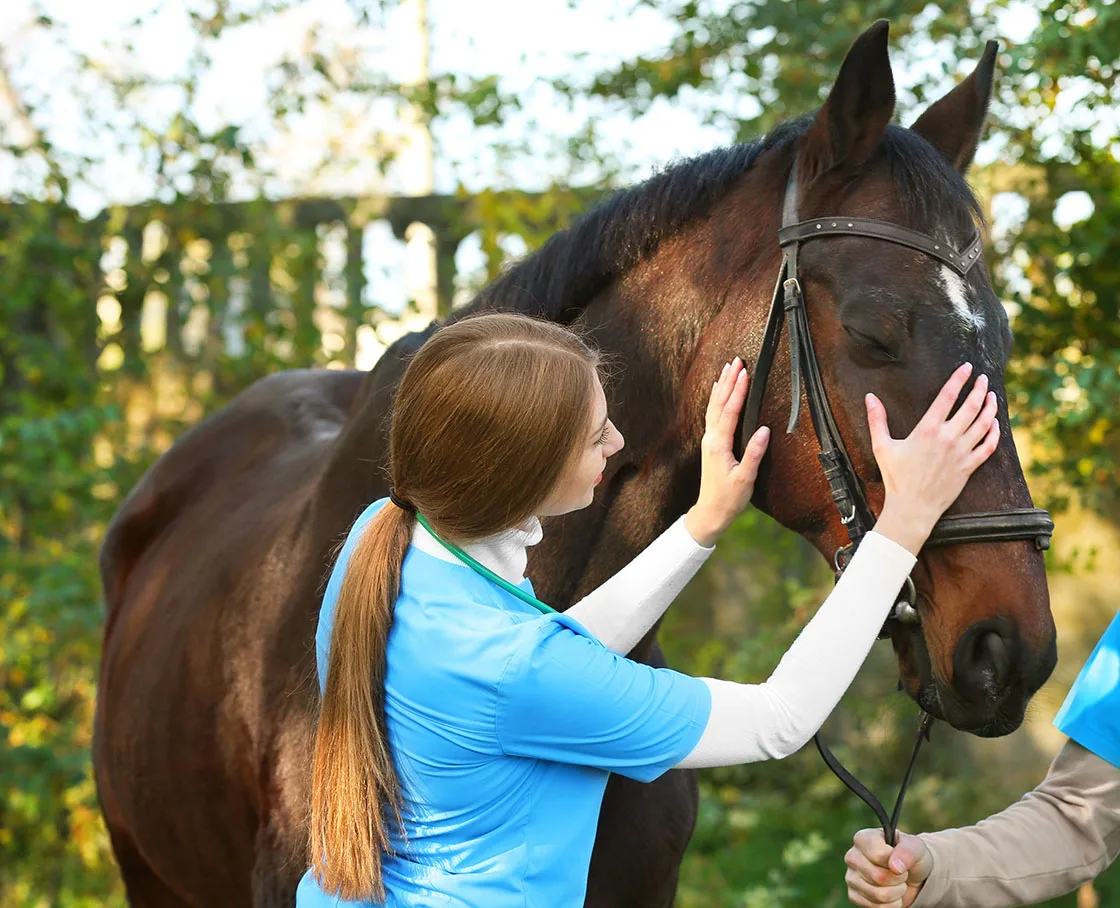
Equine Vaccinations & Parasite Prevention in San Angelo
Vaccinations and parasite prevention are essential parts of protecting your horse’s health. Horses can be exposed to infectious diseases and internal parasites through insects, wildlife, soil, pasture, travel, shared equipment, and contact with other horses.
At Western Veterinary Hospital, we develop preventive care recommendations based on each horse’s age, health, environment, use, travel, breeding status, and potential exposure risks.
Why Equine Vaccinations Are Important
Vaccination can reduce a horse’s risk of contracting certain infectious diseases or lessen the severity of illness if exposure occurs. Some equine diseases can cause permanent neurologic damage, require extensive treatment, spread rapidly through a barn, or result in death.
There is no single vaccination protocol that is appropriate for every horse. Your veterinarian will recommend vaccines and booster timing based on your horse’s individual circumstances and current professional guidelines.
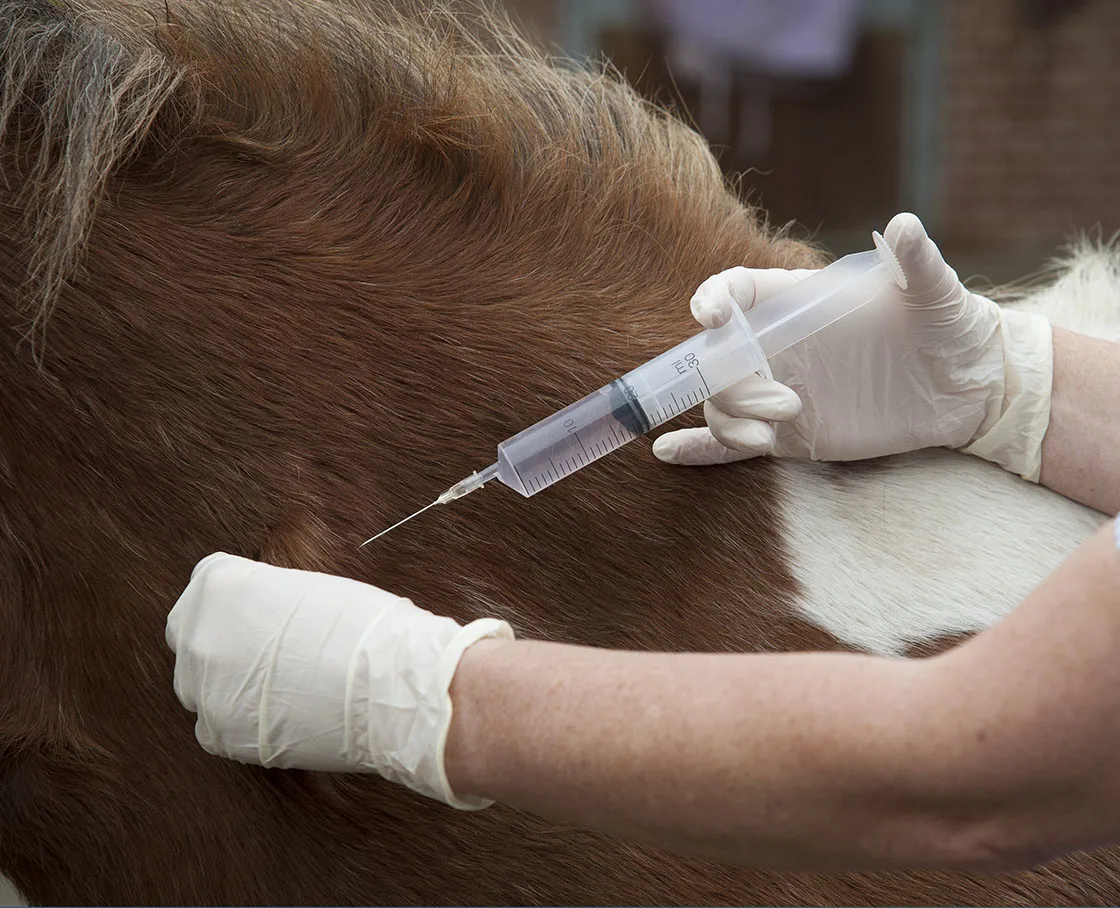
Core Equine Vaccinations
Core vaccines protect against diseases that pose a serious risk to horses across broad geographic areas. Core vaccination recommendations address:
Eastern equine encephalomyelitis
Western equine encephalomyelitis
West Nile virus
Tetanus
Rabies
Even horses that rarely travel can be exposed to these diseases through mosquitoes, wildlife, wounds, and environmental contamination.
Your veterinarian will determine the appropriate initial vaccine series and booster schedule based on your horse’s age, health, and previous vaccination history.
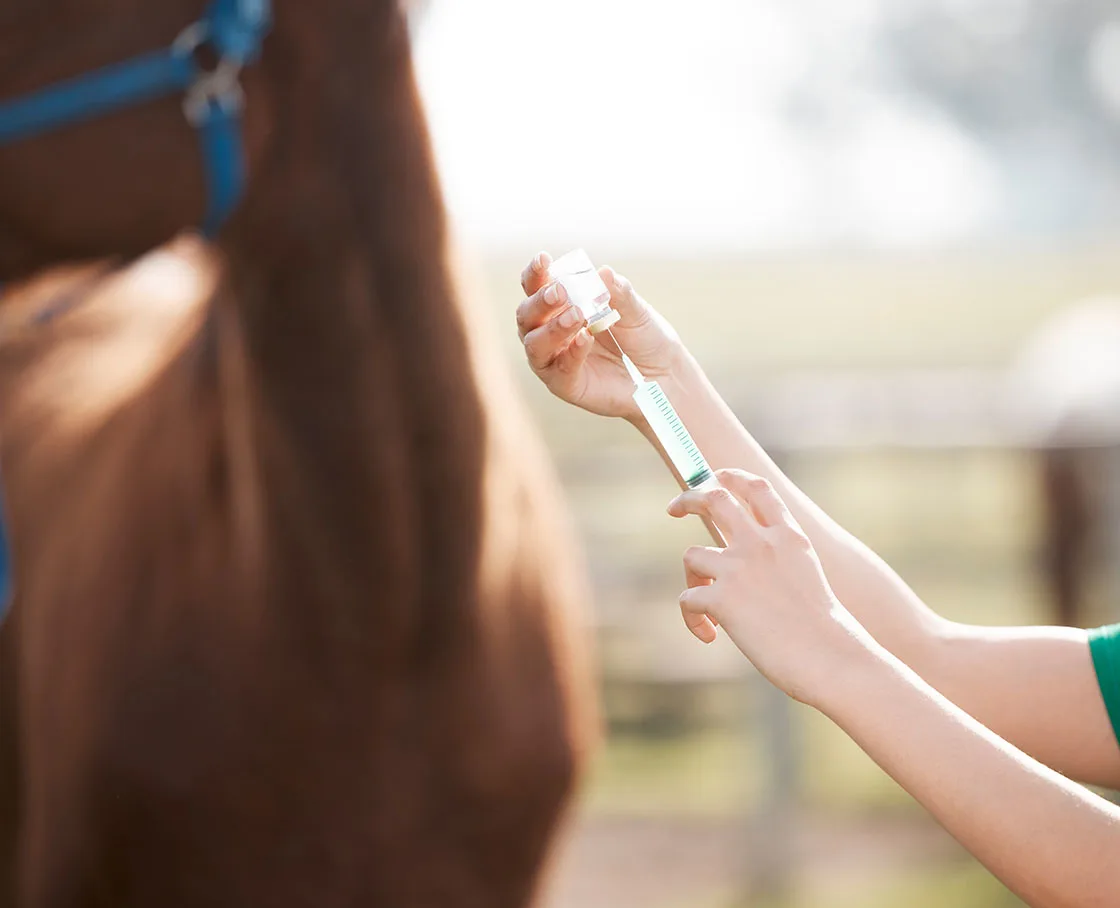
Risk-Based Equine Vaccinations
Risk-based vaccines are recommended after evaluating an individual horse’s likelihood of exposure. Important considerations include geographic location, travel, competition, housing, contact with unfamiliar horses, breeding activity, and regional disease outbreaks.
Risk-based vaccination recommendations can address:
Equine influenza
Equine herpesvirus, also called rhinopneumonitis
Strangles
Potomac horse fever
Leptospirosis
Botulism
Equine viral arteritis
Rotaviral diarrhea
Anthrax
Snakebite envenomation
Venezuelan equine encephalomyelitis
Not every horse needs every risk-based vaccine. Your veterinarian can help you weigh the benefits and risks based on your horse’s lifestyle and environment.
Vaccination Plans for Foals and Pregnant Mares
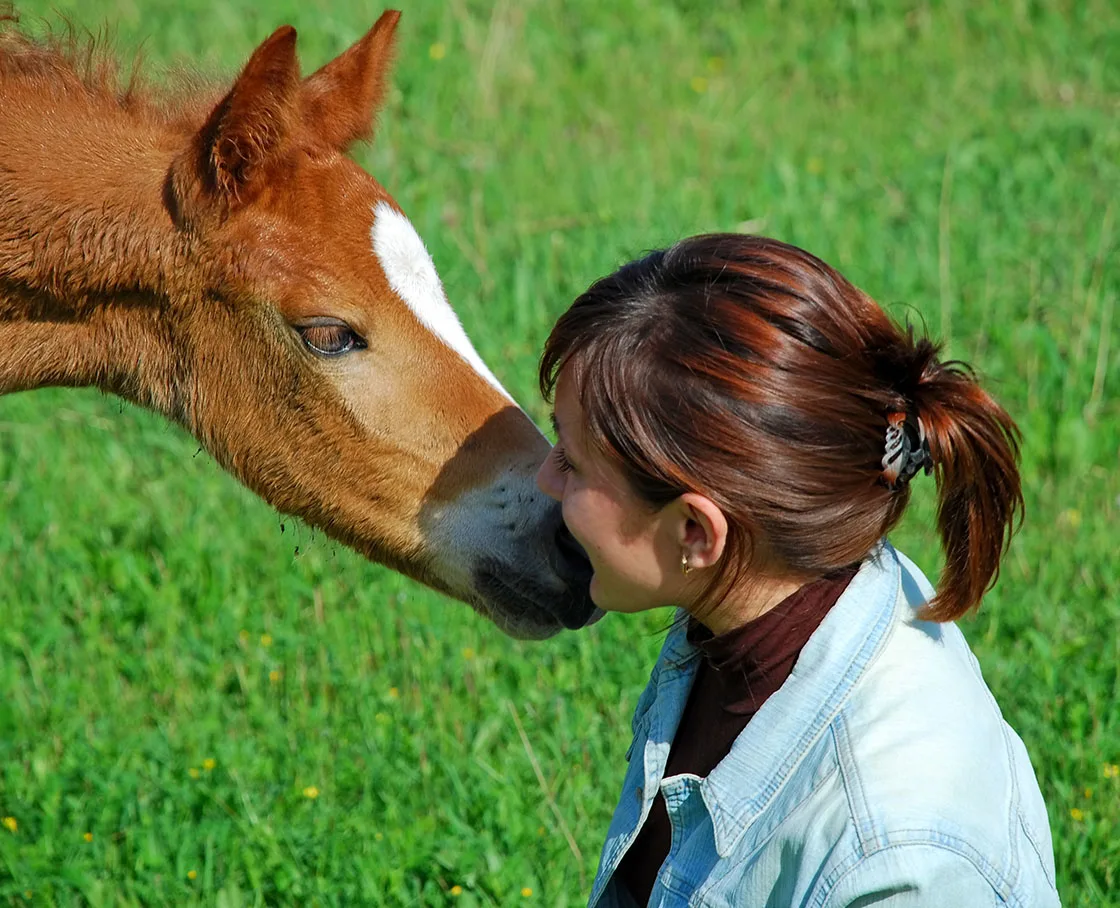
Foals, pregnant mares, breeding animals, and horses with an unknown vaccination history require specially timed vaccination plans.
Recommendations for pregnant mares can depend on the stage of pregnancy, previous vaccination history, breeding environment, and disease exposure. Foal vaccination schedules are influenced by age, maternal vaccination, and protection received through colostrum.
Work with your veterinarian to develop an appropriate schedule rather than using a general adult-horse vaccination protocol.
The Importance of Equine Parasite Prevention
Internal parasites can affect a horse’s digestive system, growth, weight, coat quality, performance, and overall health. Heavy parasite burdens can contribute to diarrhea, anemia, poor body condition, intestinal damage, and certain forms of colic.
Parasite control is important for both the individual horse and the wider herd. Horses that shed large numbers of parasite eggs can contaminate shared pastures and increase exposure for other horses.
Effective parasite prevention requires more than routinely administering the same dewormer. Your veterinarian can develop a targeted program based on your horse’s age, environment, treatment history, test results, and parasite-shedding pattern.
Common Internal Parasites in Horses
Parasites addressed through equine prevention programs include:
Small Strongyles
Small strongyles, also called cyathostomins, are among the most common equine intestinal parasites. Their larvae can become embedded in the wall of the large intestine. Significant infections can contribute to weight loss, poor condition, diarrhea, and colic.
Large Strongyles
Large strongyles, historically called bloodworms, can damage blood vessels supplying the intestinal tract. Appropriate parasite-control programs have reduced their prevalence, but they remain an important equine health concern.
Ascarids
Ascarids, or roundworms, are especially important in foals and young horses. Heavy infections can interfere with growth and contribute to respiratory signs, poor condition, or intestinal obstruction.
Tapeworms
Horses acquire tapeworms by ingesting infected pasture mites while grazing. Tapeworms attach to areas of the intestinal tract and have been associated with inflammation and certain types of colic.
Pinworms
Pinworms deposit eggs on the skin surrounding the anus, often causing intense itching and tail rubbing. Environmental cleaning is an important part of controlling infection.
Threadworms
Threadworms primarily affect young foals and can be transmitted through a mare’s milk. Infection can contribute to diarrhea and irritation in susceptible foals.
Botflies
Botflies deposit eggs on a horse’s coat. Horses ingest the eggs while grooming, allowing larvae to develop within the mouth and stomach. Botflies are generally considered less harmful than several intestinal parasites, but they can still be addressed within an appropriate parasite-control plan.
Fecal Egg Counts and Targeted Deworming
A fecal egg count measures the number of certain parasite eggs being shed in a horse’s manure. Results help veterinarians classify horses as low, moderate, or high egg shedders and determine which horses are contributing most heavily to pasture contamination.
Fecal egg counts do not detect every type or life stage of parasite and should not be used alone to determine whether a horse has parasite-related disease. Your veterinarian will interpret the results alongside the horse’s age, health, environment, and treatment history.
Testing before and after treatment can also help determine whether a dewormer remains effective within a barn or herd. This is important because resistance to commonly used dewormers is an increasing concern.
Types of Equine Dewormers
Equine dewormers contain different active ingredients that target particular parasites and life stages. Common medication groups include:
Fenbendazole - Targets roundworms, bloodworms, and pinworms
Ivermectin - Targets all parasites except tapeworms
Ivermectin and Praziquantel - Targets all parasites
Moxidectin - Targets all parasites except tapeworms
Moxidectin and Praziquantel - Targets all parasites
Pyrantel - Targets bloodworms, pinworms, and roundworms
No dewormer eliminates every parasite or every life stage. Product effectiveness can also vary because of parasite resistance.
Your veterinarian will recommend the appropriate product and timing based on your horse’s age, health, testing results, previous treatments, and local parasite patterns. Avoid rotating or combining dewormers without veterinary guidance.
Coggins Testing
A Coggins test screens a horse’s blood for antibodies associated with equine infectious anemia. Equine infectious anemia is a contagious viral disease for which there is no vaccine or cure.
Proof of a current negative Coggins test is commonly required for:
Interstate travel
Horse shows and competitions
Boarding
Breeding
Sale or transfer of ownership
Entry into certain equine facilities
Coggins testing and documentation requirements vary by state, destination, facility, and event. Contact your veterinarian before traveling to confirm which tests and documents your horse needs.
Frequently Asked Questions
Which vaccines does my horse need?
Most horses should receive core vaccines. Additional risk-based vaccines depend on your horse’s age, geographic location, travel, housing, use, breeding status, and exposure to other horses. Your veterinarian will recommend an individualized vaccination plan.
What are the core vaccines for horses?
Core vaccination recommendations address tetanus, rabies, West Nile virus, and Eastern and Western equine encephalomyelitis.
What is a risk-based equine vaccine?
A risk-based vaccine is recommended when a horse’s lifestyle, location, travel, breeding activity, or other circumstances increase the likelihood of exposure to a particular disease.
How often should my horse be vaccinated?
Vaccination timing depends on the vaccine, your horse’s age and vaccination history, manufacturer directions, geographic risks, and potential exposure. Some horses require more frequent boosters because of travel, competition, breeding, or increased disease risk.
Does my horse need vaccines if they never leave the property?
Yes. Horses that remain at home can still be exposed to diseases carried by mosquitoes, wildlife, soil, people, equipment, or other animals.
Can vaccination guarantee that my horse will not become sick?
No vaccine provides complete protection in every situation. Vaccination can reduce the risk of disease or lessen its severity and should be combined with appropriate biosecurity and management practices.
Why should a veterinarian administer my horse’s vaccines?
A veterinarian can examine your horse, select vaccines based on actual risk, ensure proper storage and administration, maintain accurate medical records, and respond if an adverse reaction occurs.
Can horses have reactions to vaccines?
Most reactions are mild and temporary, such as soreness or swelling at the injection site. Contact your veterinarian if your horse develops severe swelling, difficulty breathing, collapse, persistent fever, or another concerning reaction.
Why is equine deworming important?
Internal parasites can affect digestion, growth, weight, performance, and overall health. Heavy infections can contribute to intestinal damage, anemia, diarrhea, poor condition, and colic.
How often should I deworm my horse?
There is no single schedule appropriate for every horse. Your veterinarian will consider fecal egg count results, age, environment, treatment history, and local parasite patterns when recommending treatment.
Why shouldn’t I deworm every horse on the same schedule?
Horses vary in how many parasite eggs they shed. Treating every horse too frequently or without testing can contribute to drug resistance without providing additional benefit.
Does a negative fecal egg count mean my horse has no parasites?
No. Fecal egg counts do not detect every parasite or every stage of infection. Results must be interpreted with your horse’s history, health, and previous treatments.
Why might my veterinarian test after deworming?
Follow-up testing can help determine whether the selected medication effectively reduced egg shedding. This helps identify possible resistance within a herd or barn.
Should I rotate dewormers regularly?
Routine rotation without veterinary guidance is no longer considered the best approach. Product selection should be based on the parasites being addressed, testing results, treatment history, and evidence of effectiveness.
Can pasture management reduce parasites?
Yes. Regular manure removal, avoiding overcrowding, responsible pasture use, elevated feeding, and targeted treatment can reduce environmental contamination and parasite exposure.
Is a Coggins test the same as a health certificate?
No. A Coggins test screens for equine infectious anemia. A health certificate documents that a veterinarian examined the horse and found it suitable for travel at that time. Many trips require both.
How far in advance should I prepare for travel?
Contact your veterinarian as early as possible. Testing, vaccination requirements, examinations, and health-document processing can take time, and requirements differ by destination.
Do pregnant mares and foals follow the same vaccination schedule as adult horses?
No. Pregnant mares and foals require schedules based on pregnancy stage, age, prior vaccination, disease risks, and maternal antibody protection. Your veterinarian will create an appropriate plan.